
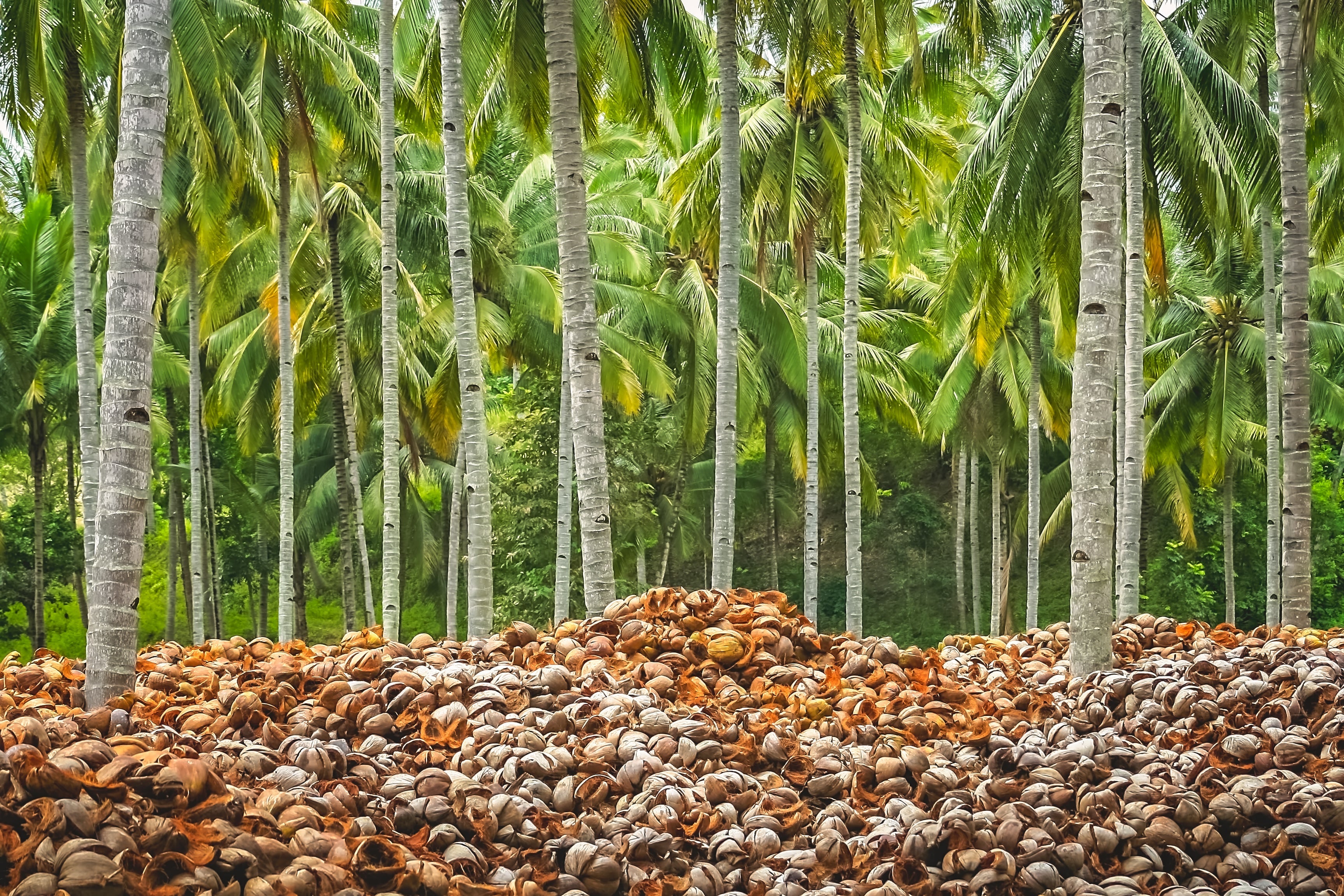
To conserve soil moisture in coconut plantations, mulching with organic materials is highly effective. The best time to mulch is just before the end of the monsoon season and before the topsoil dri...
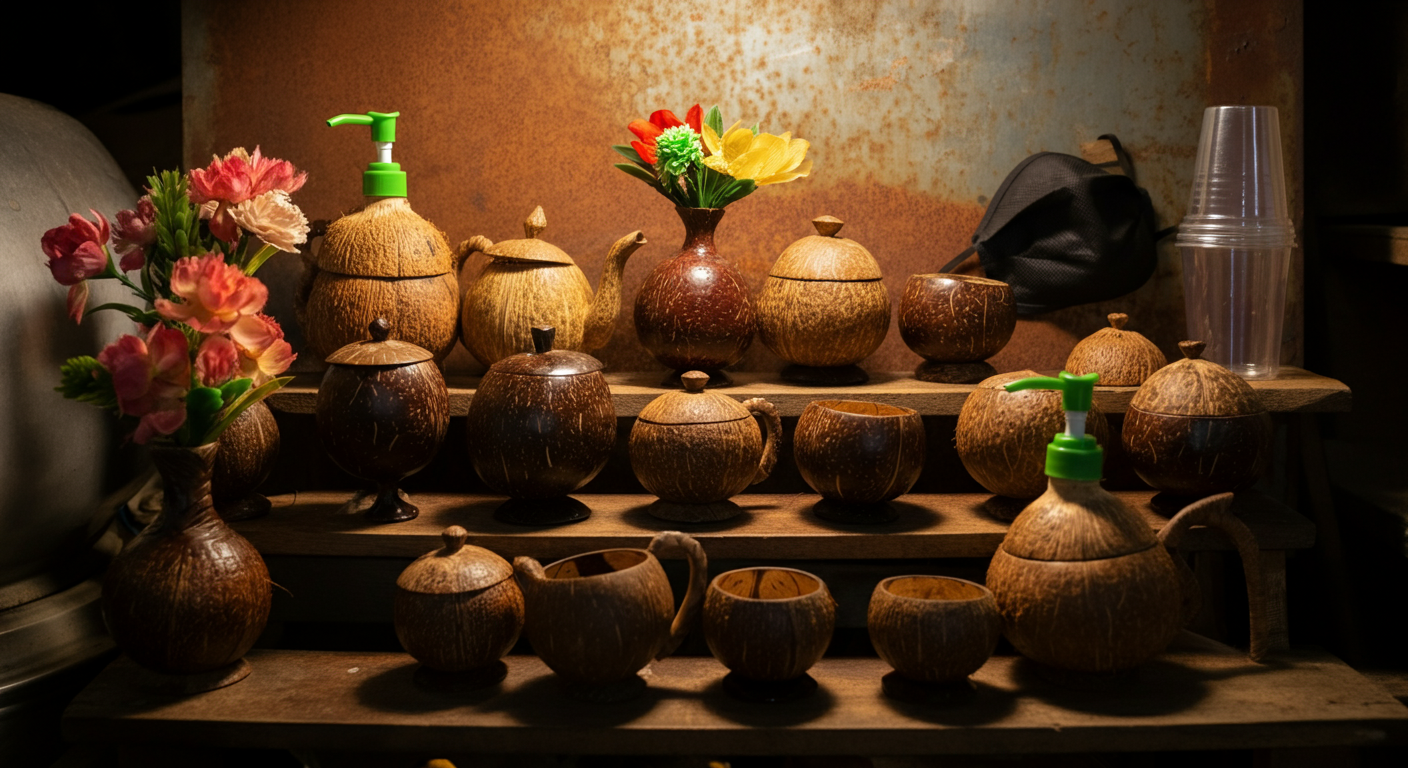
Recycling Coconut Palm Wastes Efficiently
Learn sustainable ways to recycle coconut husks, shells, leaves, and trunks into valuable eco-friendly products while reducing environmental impact.
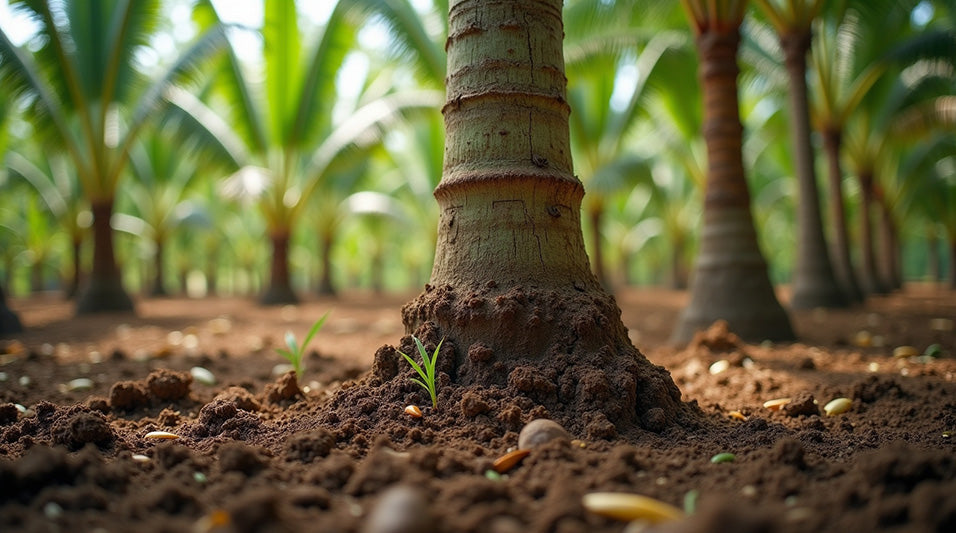
How to apply fertilizers for coconut?
Enhance palm growth with smart fertilization! Learn the best methods, timing, and tips for nutrient-rich soil and higher productivity.
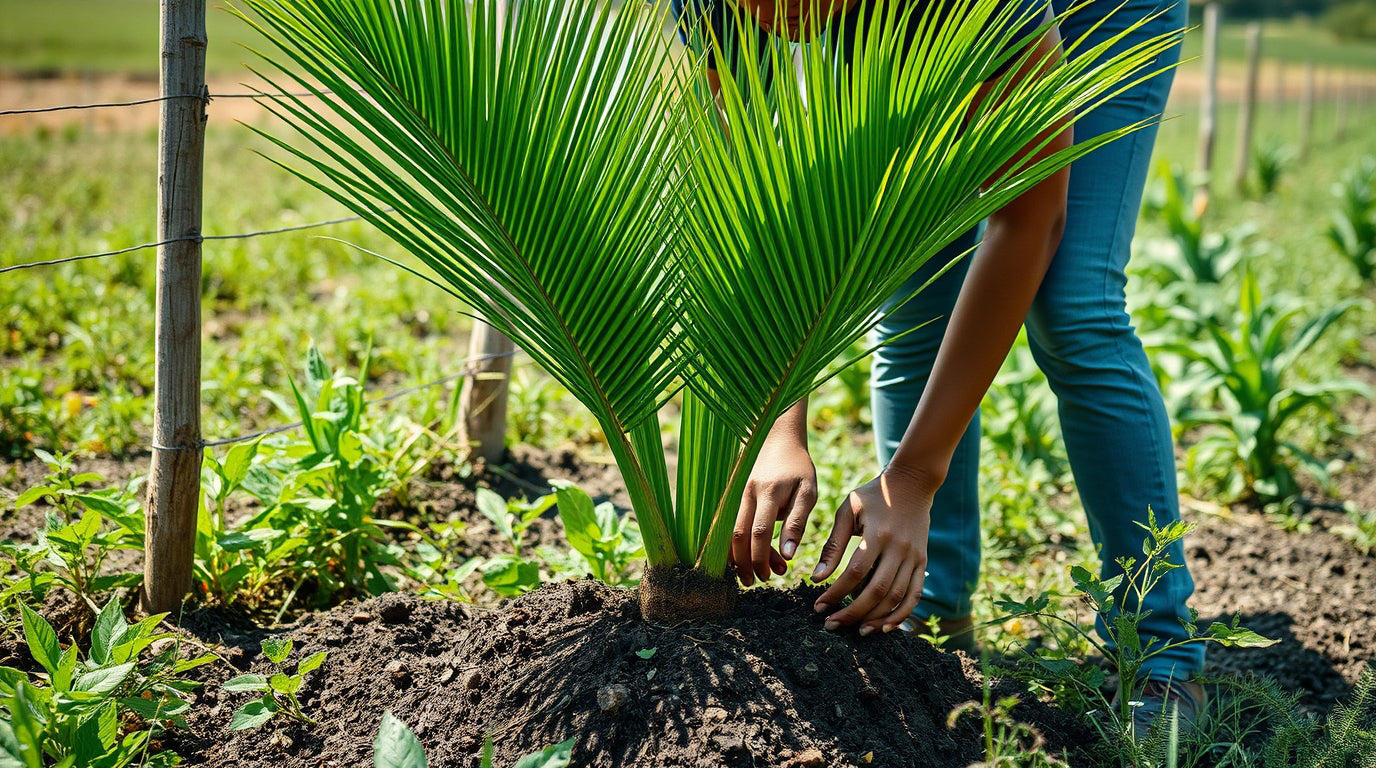
Coconut Farming: Fertilizer Guide
Get the right fertilizer mix for coconut farming based on soil tests to boost yield, maintain soil health, and ensure sustainable cultivation.
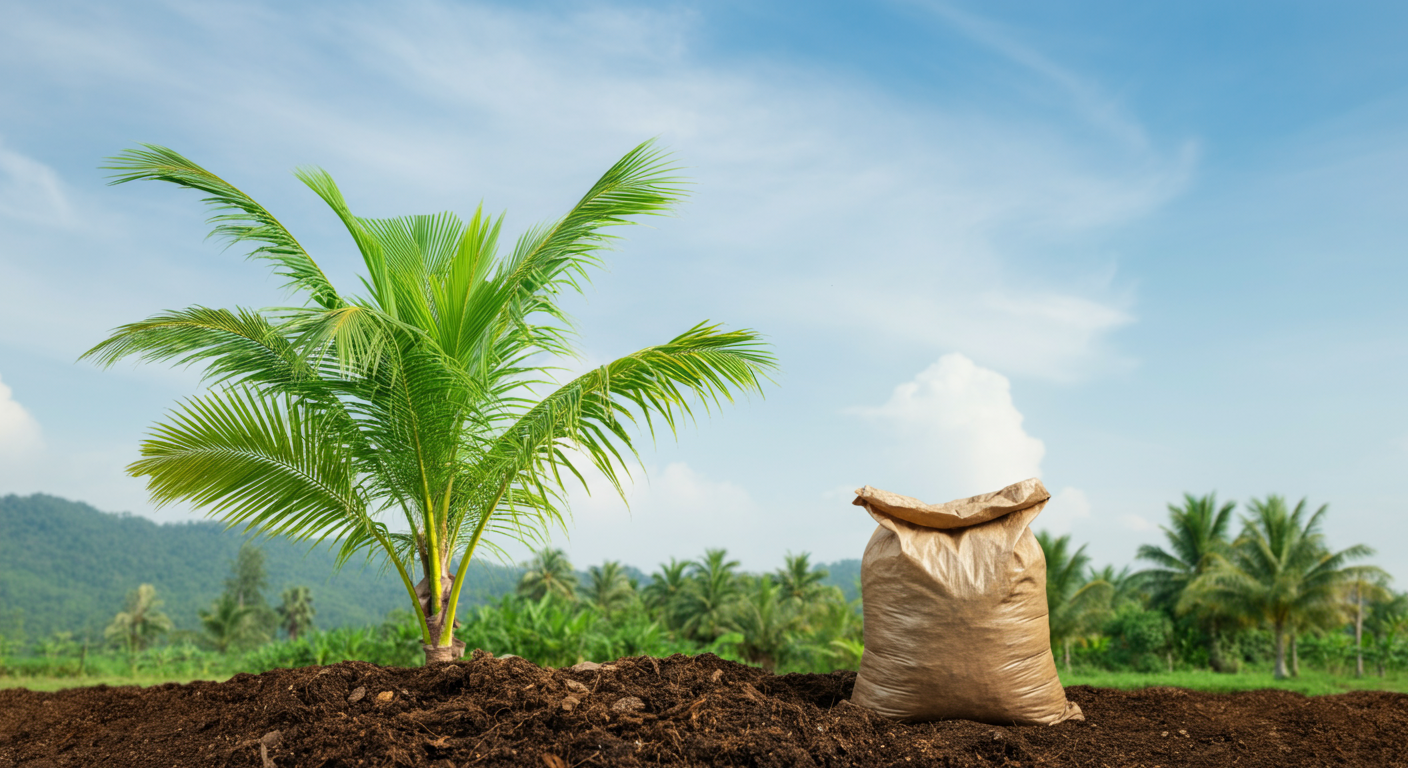
Optimize coconut yields with proper care from seedling stage. Use organic manures, balanced fertilizers & soil testing for sustainable, high-yield farming.
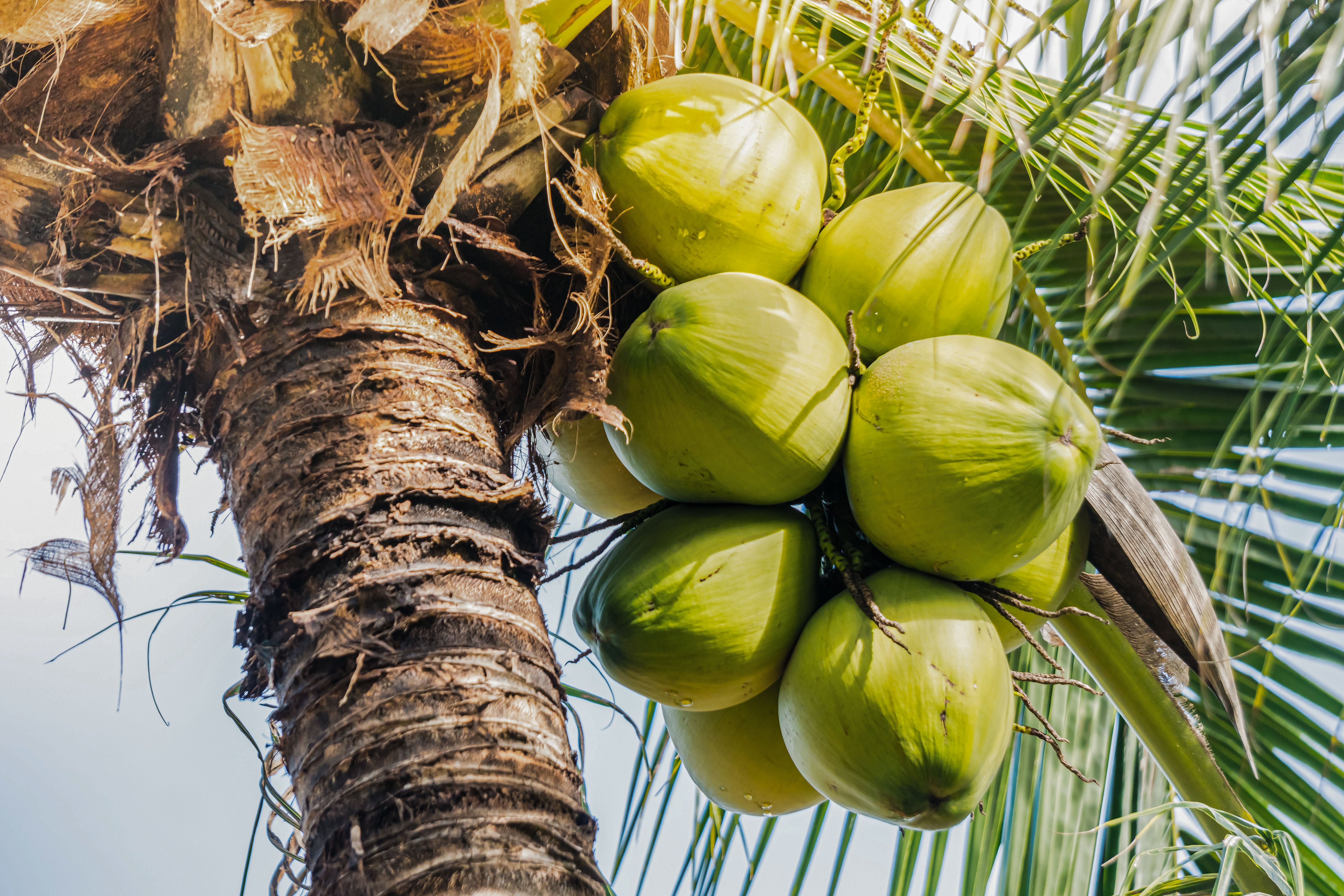
Bud Rot in Coconut Palms: Prevention & Treatment
Bud Rot (Phytophthora katsurae) is a destructive disease that threatens coconut palms. Learn to identify symptoms, diagnose infections, and apply effective treatment and prevention methods to safeg...