
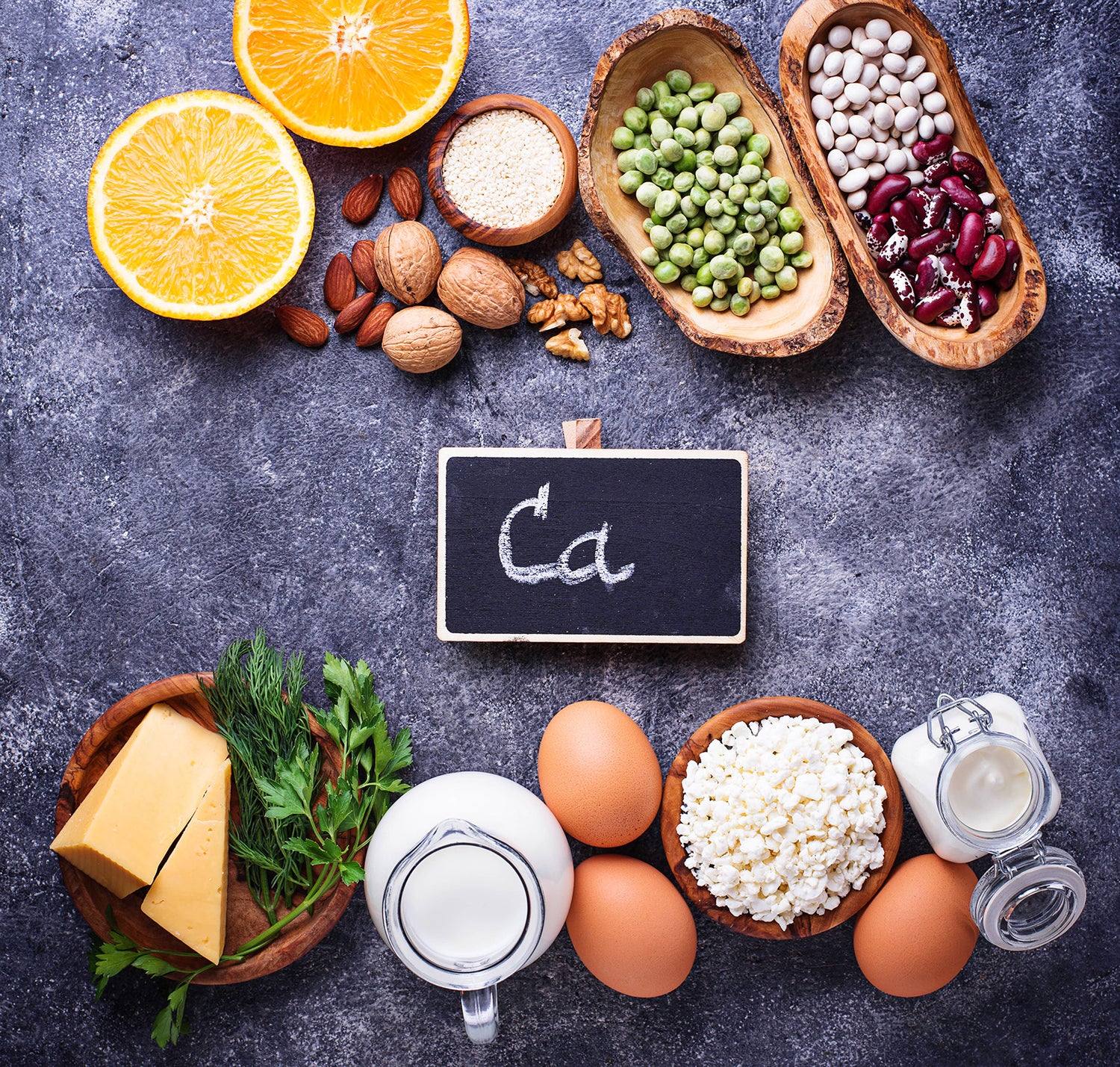
Plants need calcium (Ca) to thrive, which is vital for various functions. Not only does it aid in the formation of cell walls and membranes - essential components of plant growth- but it also enables efficient root system development. In addition, calcium can even increase resistance against diseases while boosting feed value when used as livestock fodder! Ultimately, calcium helps maximize plants' potential so they can reach their fullest heights with optimal vigour.
Calcium promotes photosynthesis and improves nitrogen usage efficiency, and it is essential for appropriate root system growth, a healthy fruit set, and the development of high-quality fruit. Therefore, calcium may be described as a crucial component.
Calcium’s Role in Plants
For what reason is calcium so crucial to plant life? Besides, it's not like it's a vital ingredient or anything.
➢ Structure-Based Purpose: Cell membranes and cell walls both rely on calcium to function properly.
You can tell if a plant lacks this nutrient because the cell walls aren't as solid. Meristems may entirely regress, resulting in abnormal development characteristics such as discolouration and curving of newly emerging leaves and root tips.
As calcium attaches to phospholipids in cell membranes, the membrane becomes more stable. Conversely, a lack of calcium causes the membrane to become more permeable, allowing essential ions and chemicals to leak out of the cell.
➢ The Role of Signals: Communication between plants and the environment during times of stress and growth requires calcium. When plants don't have enough calcium, their health quickly deteriorates.
Plants may sometimes protect themselves when attacked by pests or diseases, but only if they are aware of the threat. When a plant determines it needs to defend itself, calcium plays a key role in the sequence of events that trigger this response. Indeed, this nutrient doesn't do anything specifically to counter these threats, but it's still an essential part of the defence. Conversely, a lack of calcium increases plants' likelihood of severe harm.
Furthermore, calcium controls the distribution of all other nutrients inside a plant. Calcium is inert, yet it signals to the plant when it needs nitrogen, potassium, or iron, which are all mobile nutrients.
Calcium Deficiency Symptoms
Tissues that are still developing rely on calcium that has been transported from the roots through transpiration. Calcium shortage may occur in environments where transpiration is slowed, such as when it is chilly or damp. When calcium deficiencies initially manifest, it is most often in the leaves and fruit of young plants.
Consider that excessive magnesium, sodium, or potassium concentrations in fertilizer solutions might produce a calcium deficiency in the plant via cation absorption competition.
Root development slows down, and the root tips die off when calcium is lacking.
Due to calcium deficiency, the crop is more susceptible to pests and diseases. Diseases like blossom end rot in tomatoes, tip burn in cabbage, and black heart in celery are examples of this.
Younger leaves show signs of calcium insufficiency when the calcium supply is cut off since calcium remains stationary inside the plant. The developing tip may die, and the new leaves will be deformed and have curled edges.
Death of developing points, early flower and bud drop, tip burn, and bitter pit are only some of the physiological diseases associated with Ca deficiency.
Calcium deficiency symptoms may negatively impact fruit quality and stiffness; this is especially true for fruits like cantaloupes and tomatoes, whose flavour and shelf life might suffer.
Ways to Treat Calcium Deficiency in Plants
Inadequate calcium levels prevent plants from flourishing. Some strategies for avoiding and minimizing the issue's recurrence are outlined below.
➢ Increase your calcium intake. Adding calcium to your soil is easy; you may do it with several different materials. In addition to applying organic matter like bone meal, dolomite lime, eggshells, or gypsum, you may also use a liquid foliar fertilizer containing calcium nitrate and chloride. It's crucial to provide your plants with either a natural or synthetic nutrition solution that meets their calcium needs.
➢ Investigate any problems associated with transpiration. Calcium absorption in plants occurs through the xylem rather than the phloem, and inadequate transpiration may disrupt this process. Calcium deficiency may impair transpiration, the process by which plants lose water via their leaves. If your plants show signs of calcium insufficiency, check if they are getting adequate water above and below ground. The leaves must have sufficient moisture to transport calcium into the plant through transpiration.
➢ Complement with additional nutrients. Micronutrients (like manganese, zinc, and iron) and Macronutrients (such as phosphorus, potassium, and calcium) are essential for plant growth. Calcium's ability to ionize and bind to other nutrients in the soil depends on maintaining a healthy pH, phosphorus, and potassium balance. Check the soil's nutrient levels often; it's not uncommon to deal with deficiency issues in many different nutrients at once. For instance, if your plants lack calcium and magnesium, the results might be far more devastating than with either shortage alone.
➢ Measure the soil pH values. Maintain a pH near neutral, so the calcium needed for new leaf growth isn't impeded. Find a happy medium between too-alkaline and overly acidic conditions. The ideal pH range for soil is between 6.5 and 7.5.
➢ Maintain a comfortable temperature and humidity level. The availability of calcium to a plant is significantly influenced by its environment. High temperatures and humidity levels might inhibit the transpiration process, leading to low calcium levels in your plants. Whether growing inside or out, your plants will flourish best in a somewhat stable environment with moderate humidity and temperature.
➢ Do a soil analysis. To learn what your soil is missing, get it tested by experts. It is possible to determine whether a calcium deficit is the root of your plant's issues by analyzing the composition of your growing media.
Conclusion
Calcium deficiency can spell disaster for plants. And while it's tricky to spot the early signs, identifying and acting fast on these issues is key – you could save your plant from an inevitable demise! So, to help boost your chances of a successful recovery, why not take some steps toward creating better growing conditions? Along with opting for sources that are readily available in soluble form - this will ensure every droplet gets maximum absorption, so nothing goes amiss.
