
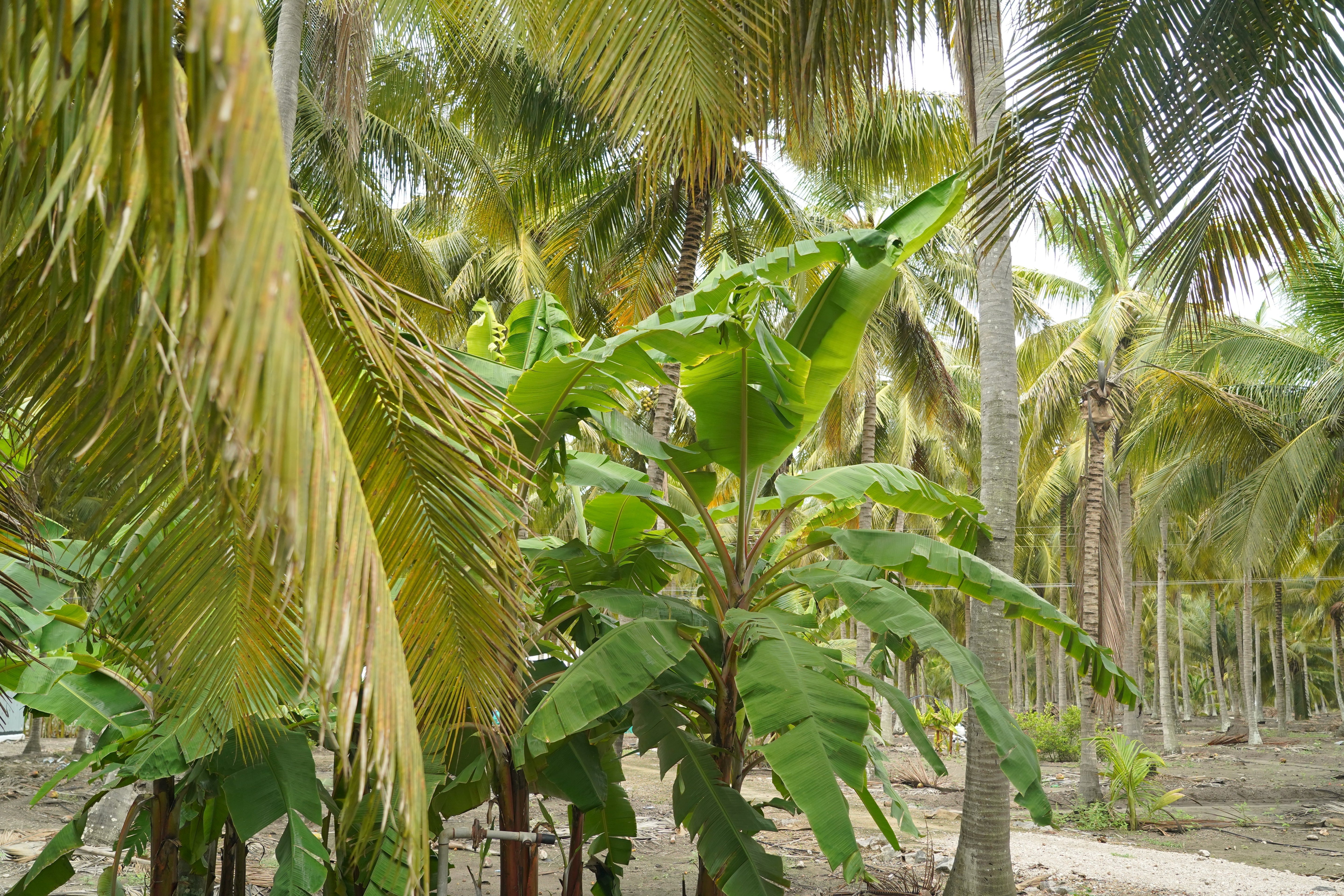
4-Layer Cropping in Coconut Farms for Better Yield and Profit
Multi-tier cropping lets coconut farmers grow 4 crops together—coconut (top layer), pepper (climbing on trunks), cocoa (middle), and pineapple (ground level). This system uses land, water, sunlight...
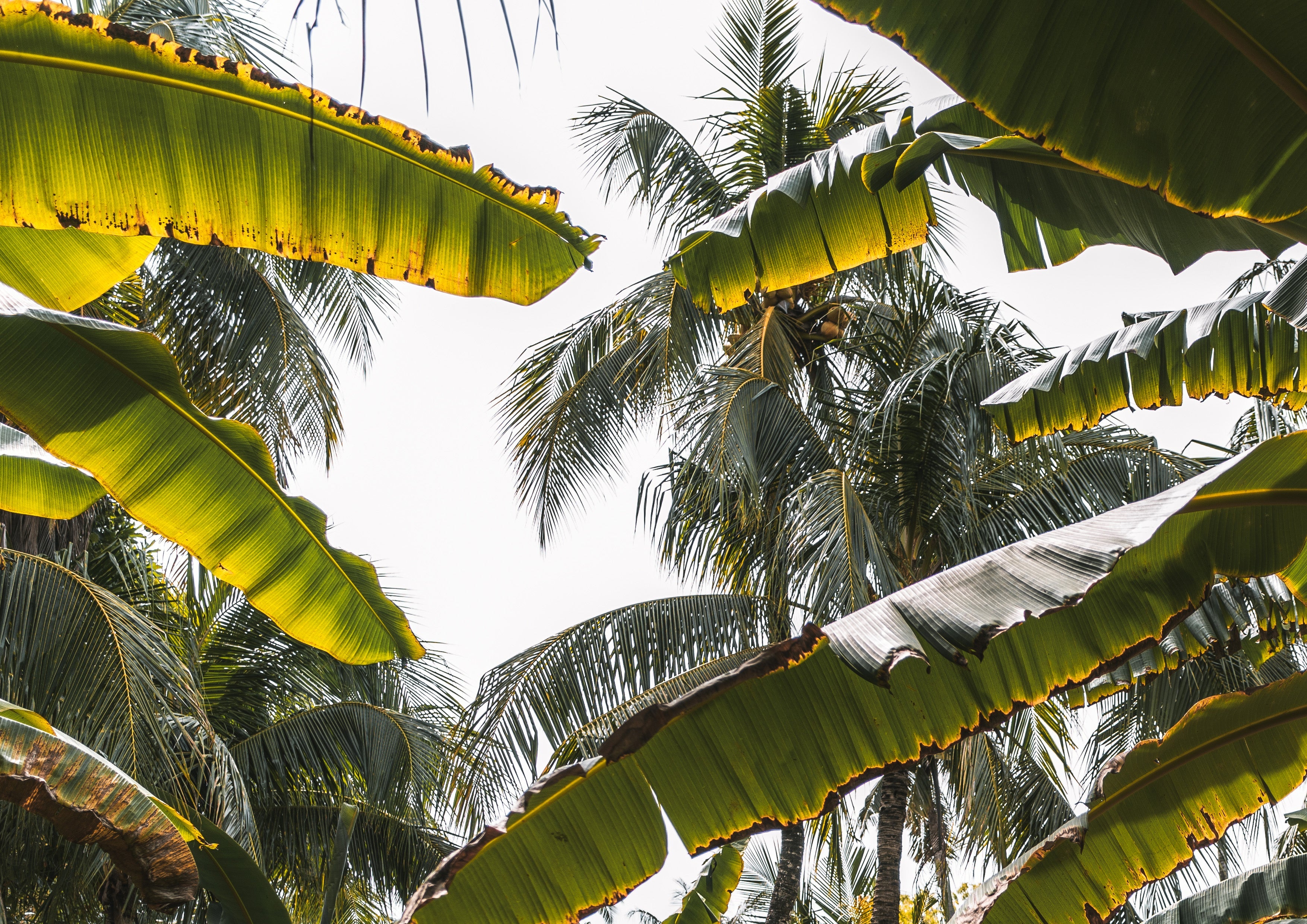
Best Intercrops for Coconut Farms at Different Growth Stages
Intercropping helps coconut farmers earn more by using the space between trees. Crop choices depend on the coconut tree’s age and shade levels. In the first 5–7 years, farmers can grow annual crops...
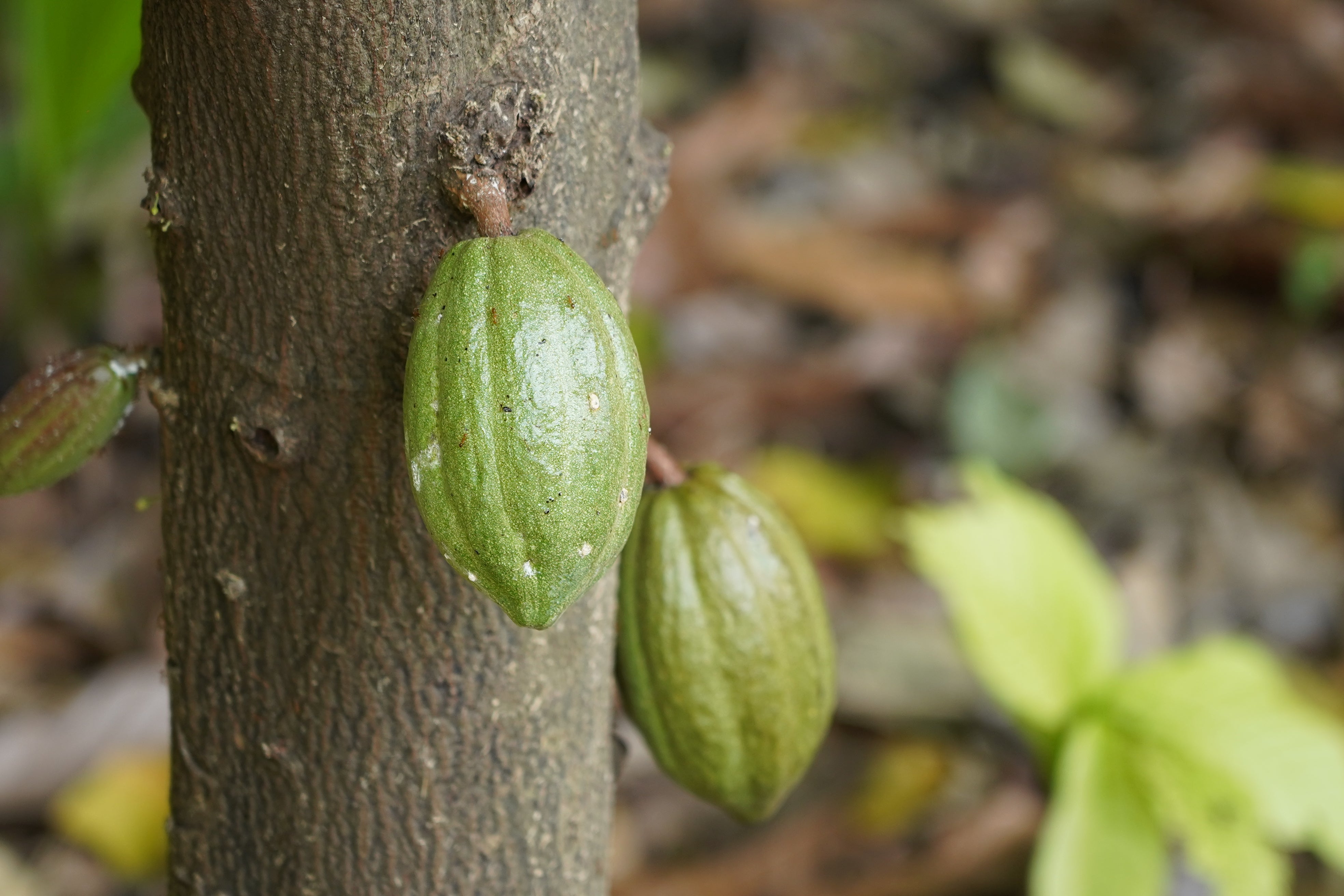
Grow Cocoa Under Coconut Trees for Extra Profit and Soil Health
Cocoa is an ideal intercrop for coconut farmers. It grows well in partial shade, making coconut plantations the perfect environment. Farmers can plant cocoa trees 2 meters away from coconuts, using...
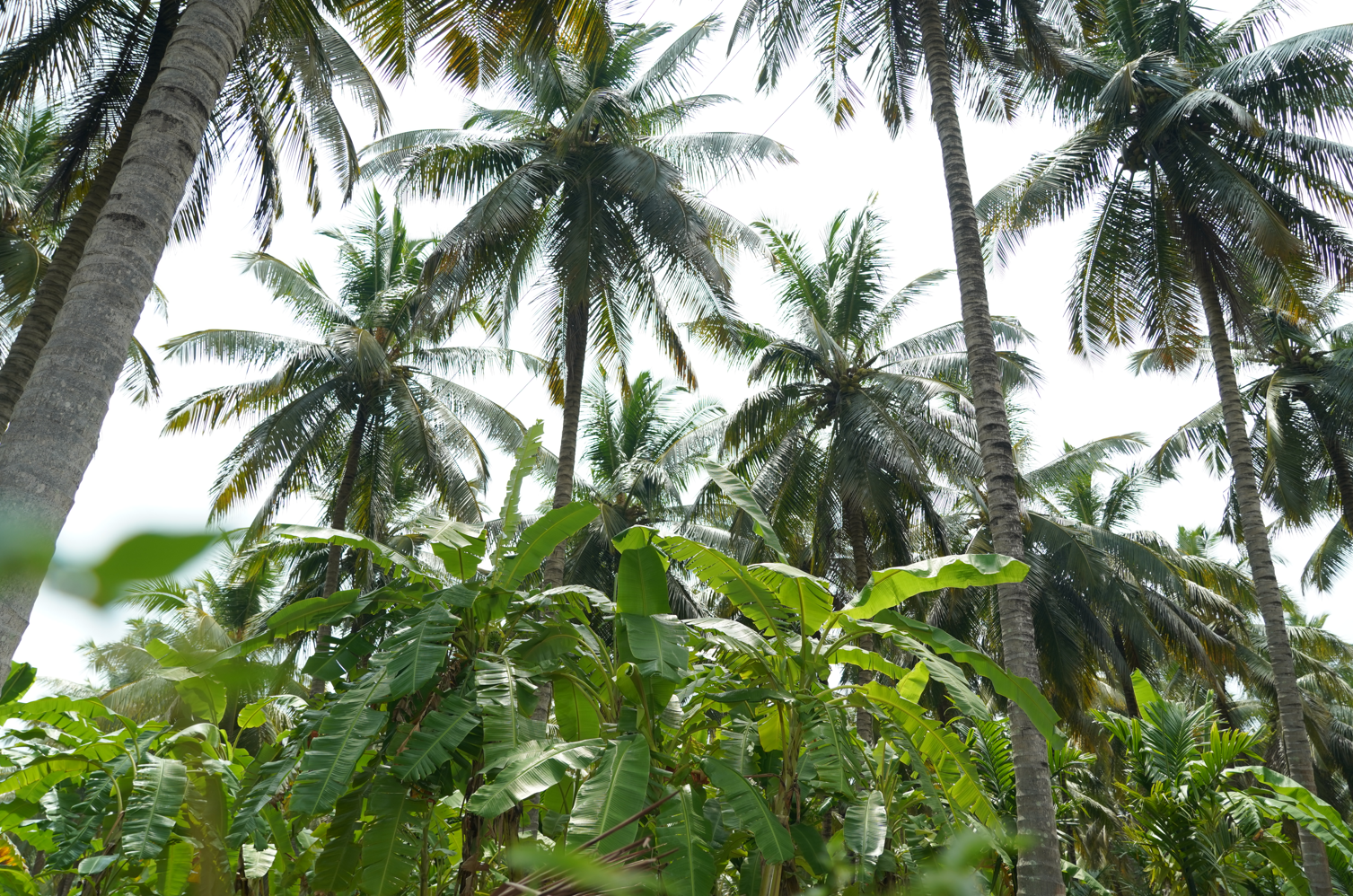
Extra Income Ideas for Coconut Farmers Through Intercropping
Coconut farming offers great potential for extra income by growing additional crops between trees. With only 25% of the land used by coconut roots, farmers can grow short-term or long-term crops in...
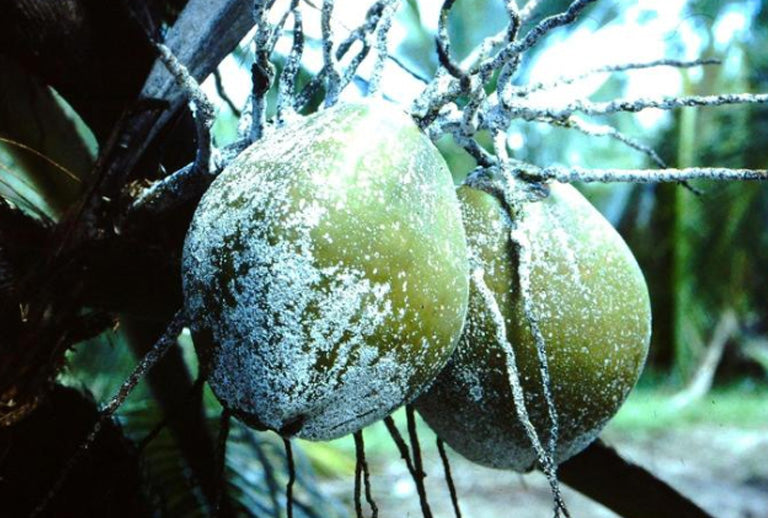
Scale Insect: Aspidiotus destructor
Scale insects, particularly Aspidiotus destructor, are major pests affecting coconut palms, especially in summer. They form a crust over leaves, nuts, and flower spikes, leading to yellowing, dryin...
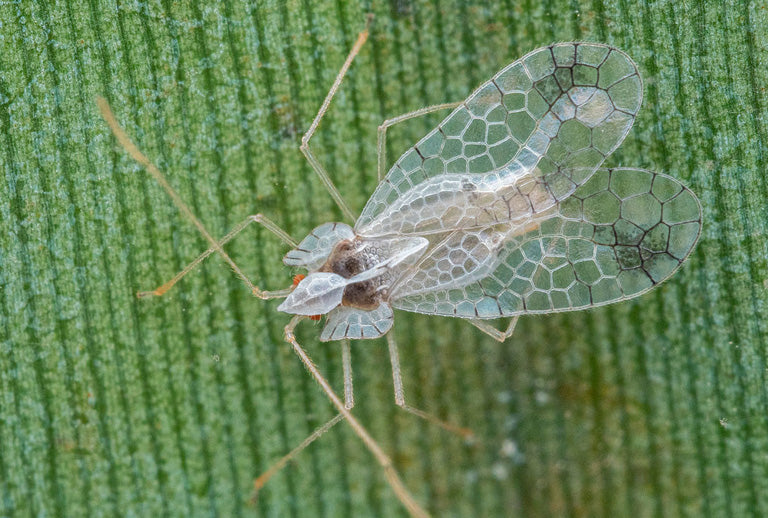
Lacewing Bug: Stephanitis typicus
Coconut lace bugs cause white spots on leaves by sucking sap, weakening palms and transmitting Phytoplasma from root-wilt affected trees. Identified by white nymphs with dark patches and netted-win...